CORNELIUS
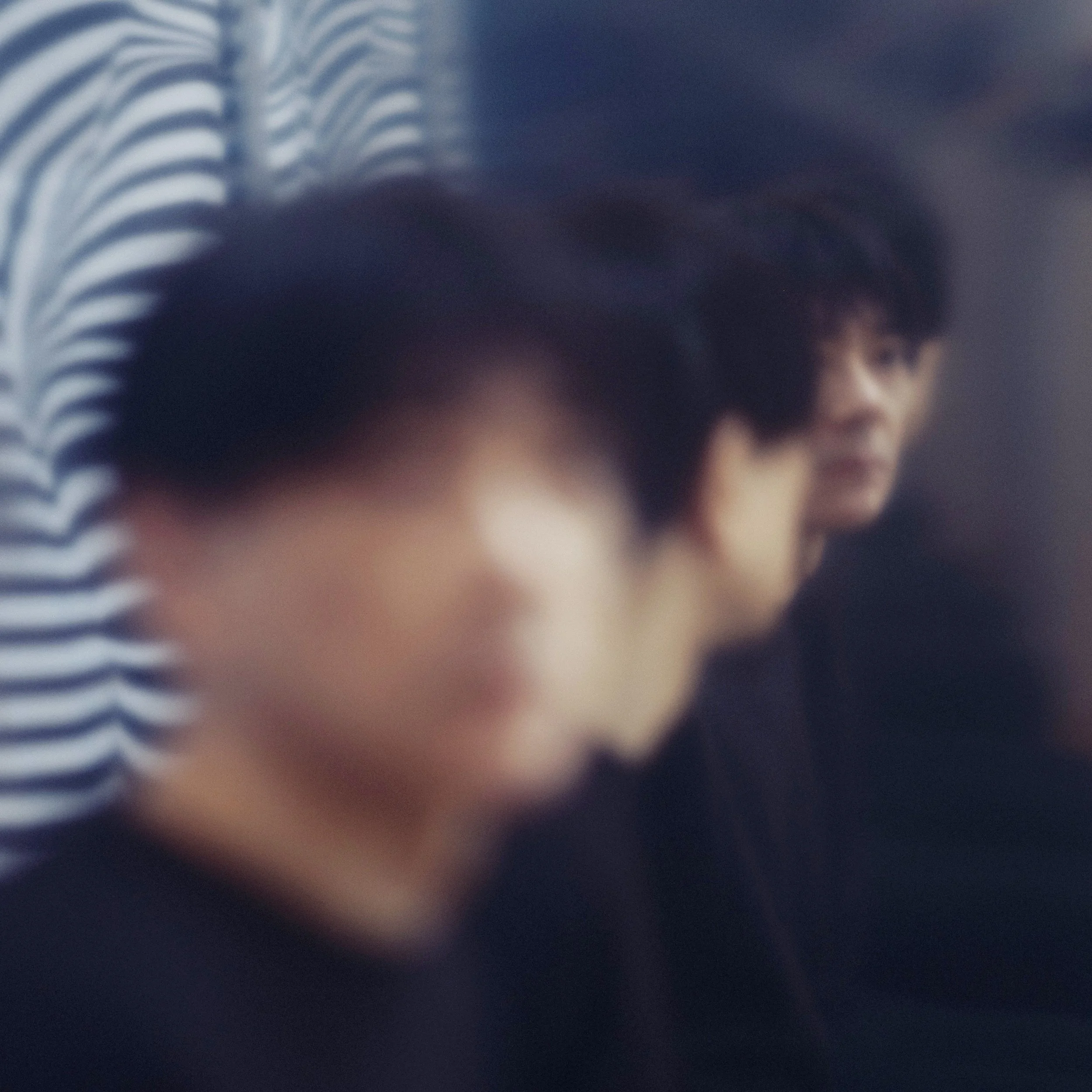
For more than three decades, Cornelius has occupied a singular space in contemporary music. The long-running project of Japanese musician, producer and composer Keigo Oyamada, Cornelius first emerged in the early 1990s following the dissolution of the influential Tokyo pop group Flipper's Guitar, before rapidly evolving into one of the most distinctive and forward-thinking catalogues in modern experimental pop.
His international breakthrough album Fantasma, released in 1997, established Oyamada as a restless sonic architect. Subsequent albums only deepened that reputation, while alongside his own records he became a sought-after collaborator and remixer, working with artists including Blur, Beck, MGMT, James Brown, and Yoko Ono.
Yet forthcoming new album Refractions feels less like a continuation than the beginning of another transformation. Written between 2024 and the end of 2025, the album explores ideas of perception, shifting realities, memory and interconnected consciousness through structure, texture and movement itself.
"As the world and my surroundings changed at an intense speed, I think all of that inevitably shaped this work," Oyamada explains. "Rather than expressing these ideas directly, I approached them structurally — exploring continuity, transformation, and multiple coexisting states within a single, uninterrupted flow of time."
Refractions also marks a move outward, consciously shaped through collaboration and exchange. Longtime friend Sean Ono Lennon appears on lead single "Aeons," while Brazilian-American icon Arto Lindsay appears on "Bad Advice" and cult hero Bid of The Monochrome Set contributes to "You Make Me Cyborg."
Despite its conceptual undercurrents, Refractions never feels cold or cerebral — it possesses the uncanny warmth that has always made Cornelius' music so enduring. What emerges is not a fixed statement, but something fluid and alive: music that bends time, folds memory into the present, and continually transforms as it moves forward.

Ethereal Essence / 2024

Point 2001

Holidays in the Sun / 1993
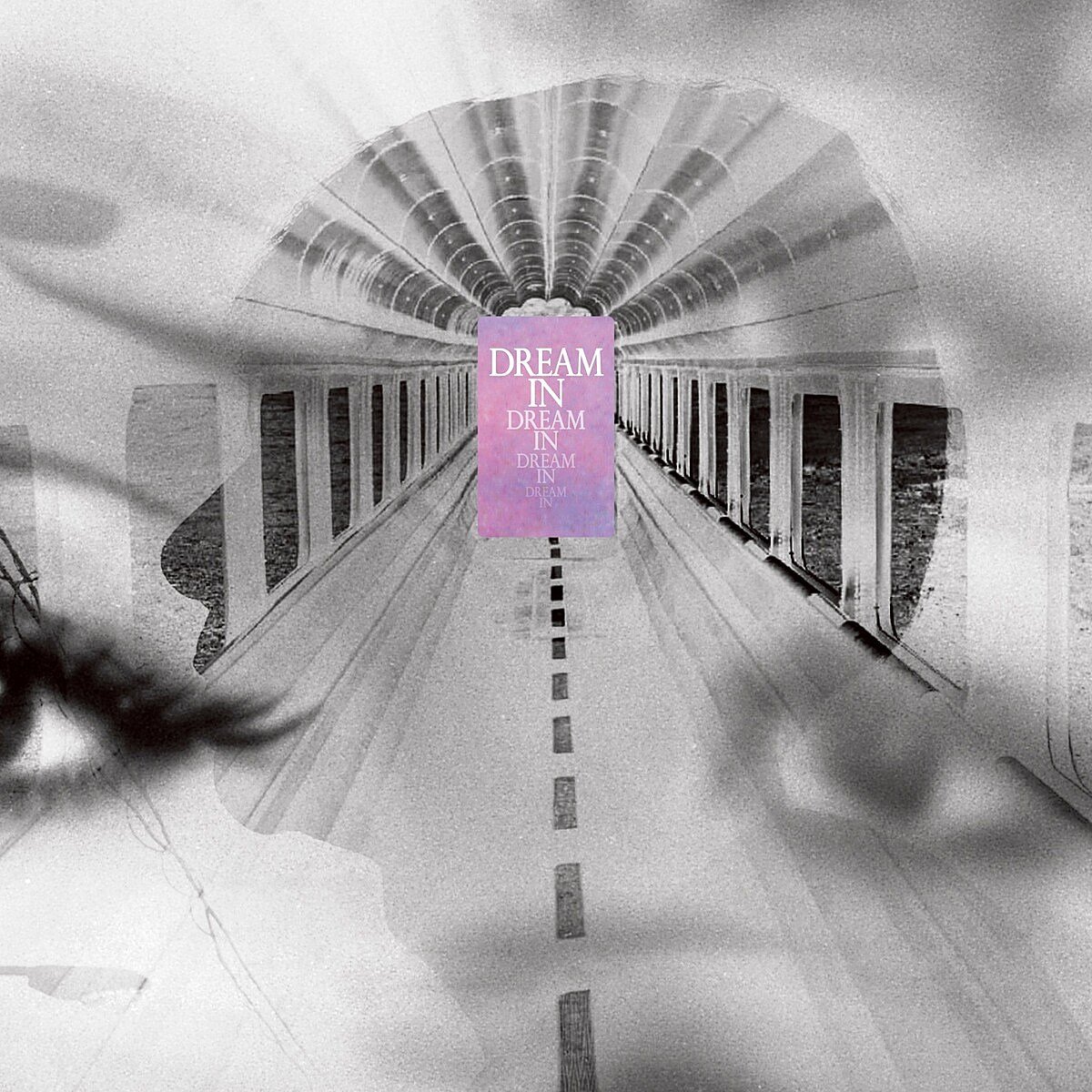
Dream in Dream / 2023

Fantasma / 1997

Mellow Waves / 20017
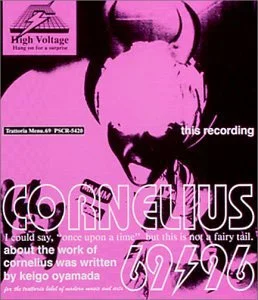
69:96 / 1995

Sensuous / 2006

The first Question Award / 1994